Here are the simplified fractions in order of increasing denominator and numerator:
1/2, 1/3, 2/3, 1/4, 3/4, 1/5, 2/5, 3/5, 4/5, 1/6, 5/6, 1/7, 2/7, 3/7, 4/7, 5/7, 6/7, 1/8, 3/8, 5/8, 7/8, 1/9, 2/9, 4/9, 5/9, 7/9, 8/9, 1/10, 3/10, 7/10, 9/10, 1/11, 2/11, 3/11, 4/11, 5/11, 6/11, 7/11, 8/11, 9/11, 10/11, 1/12, 5/12, 7/12, 11/12, 1/13, 2/13, 3/13, 4/13, 5/13, 6/13, 7/13, 8/13, 9/13, 10/13, 11/13, 12/13, …
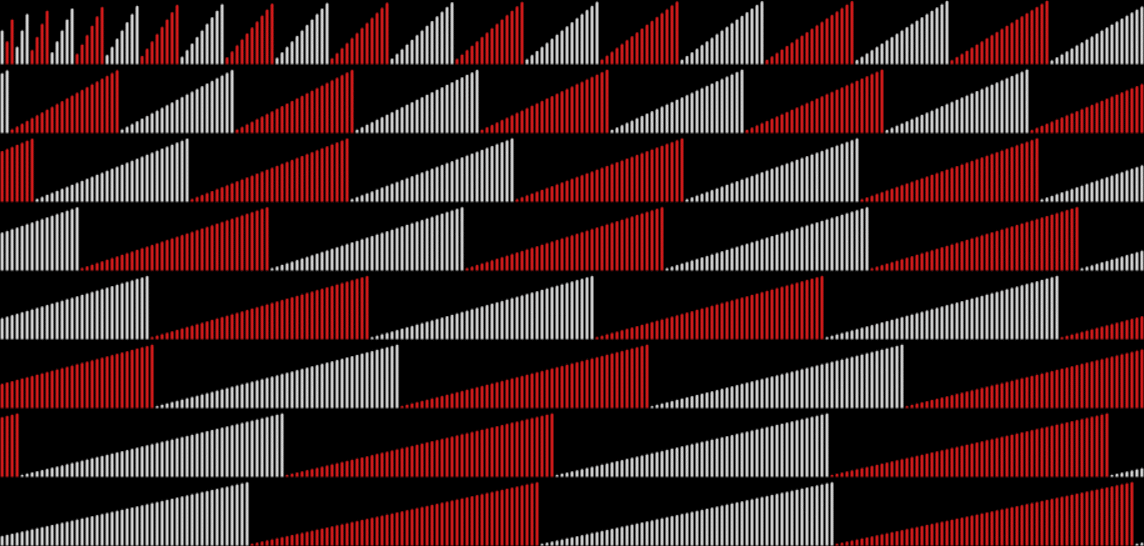
You get 1/4 and 5/12, but no 2/4 or 3/12 and so on, because the fractions are simplified and 2/4 = 1/2 and 3/12 = 1/4. Now suppose you map those simplified fractions on a graph of x = y = 1/2, 1/3, 2/3, 1/4, 3/4, 1/5, … The graph is obviously just a straight line at 45°:
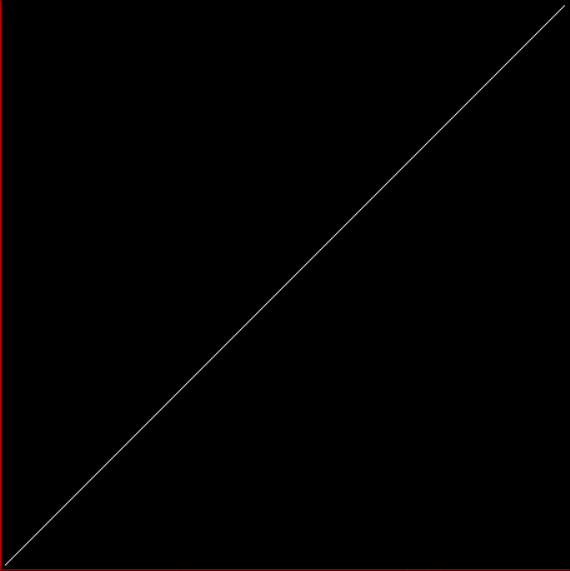
Graph of x = y = 1/2, 1/3, 2/3, 1/4, 3/4, 1/5, …
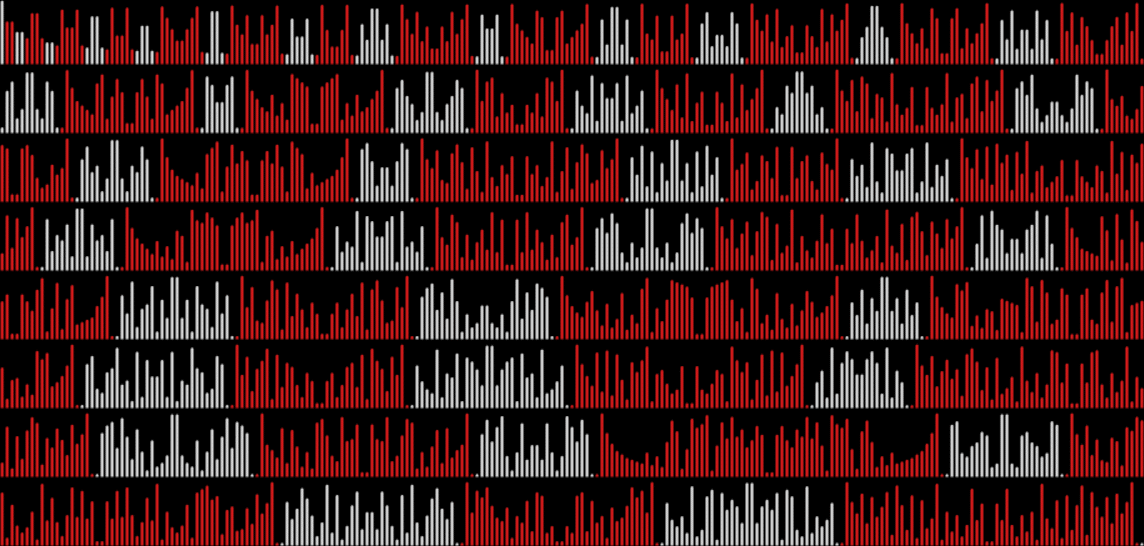
But suppose you adjust some of the simplified fractions for y, so that the list looks like this (adjusted fractions appear in red):
1/2, 1/3, 2/3 → 1/3, 1/4, 3/4 → 1/4, 1/5, 2/5, 3/5 → 2/5, 4/5 → 1/5, 1/6, 5/6 → 1/6, 1/7, 2/7 → 3/7, 3/7 → 2/7, 4/7 → 2/7, 5/7 → 3/7, 6/7 → 1/7, 1/8, 3/8, 5/8 → 3/8, 7/8 → 1/8, 1/9, 2/9 → 4/9, 4/9 → 2/9, 5/9 → 2/9, 7/9 → 4/9, 8/9 → 1/9, 1/10, 3/10, 7/10 → 3/10, 9/10 → 1/10, 1/11, 2/11 → 5/11, 3/11 → 4/11, 4/11 → 3/11, 5/11 → 2/11, 6/11 → 2/11, 7/11 → 3/11, 8/11 → 4/11, 9/11 → 5/11, 10/11 → 1/11, 1/12, 5/12, 7/12 → 5/12, 11/12 → 1/12, 1/13, 2/13 → 6/13, 3/13 → 4/13, 4/13 → 3/13, …
What does the graph for straight x and adjusted y look like? Much more interesting:
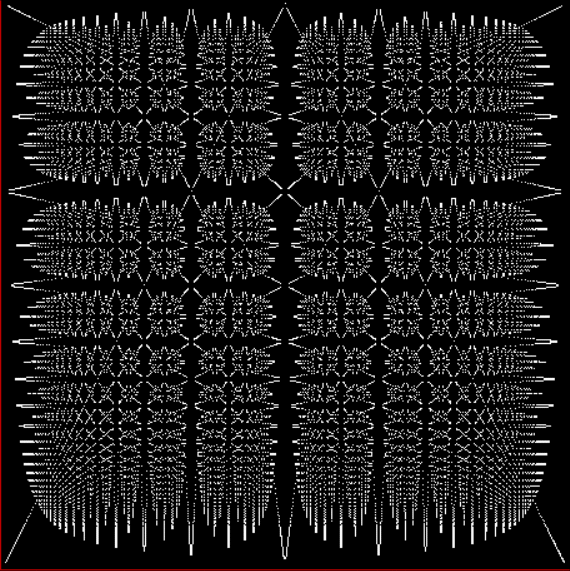
Graph of x = 1/2, 1/3, 2/3, …, y = contfrac_rev(1/2), contfrac_rev(1/3), contfrac_rev(2/3), …
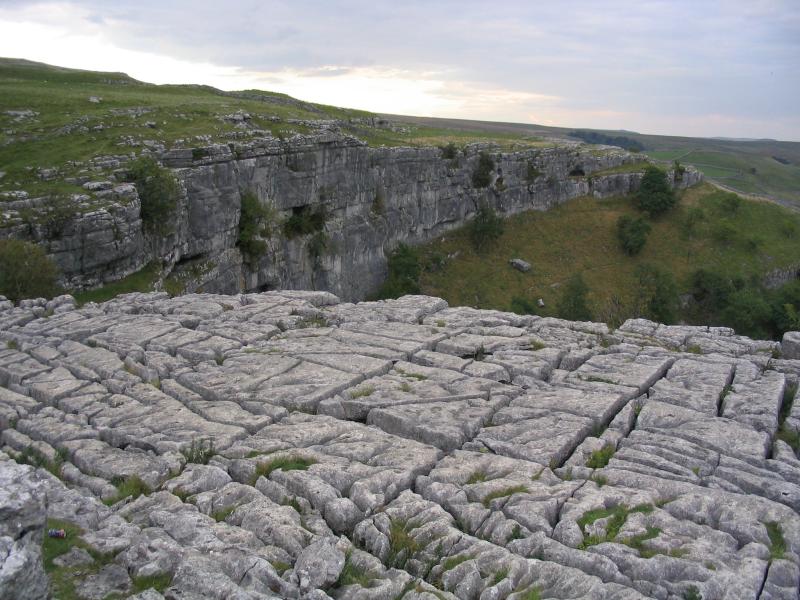
That graph is what you could call a fractional fractal, because it uses fraction to create a fractal where parts resemble the whole and parts of the parts resemble the whole, down and down for ever (as I’ll show). I call it a limestone fractal or gryke fractal, because it looks like the fissured limestone pavements in the Yorkshire Dales, where the fissures are called grykes:
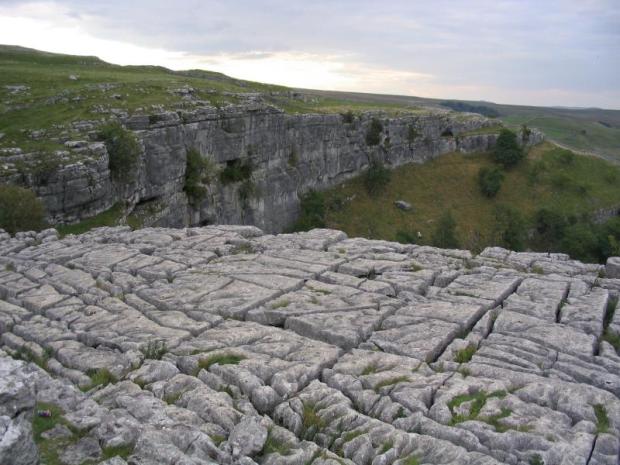
Fissured limestone pavement, Yorkshire Dales (Wikipedia)
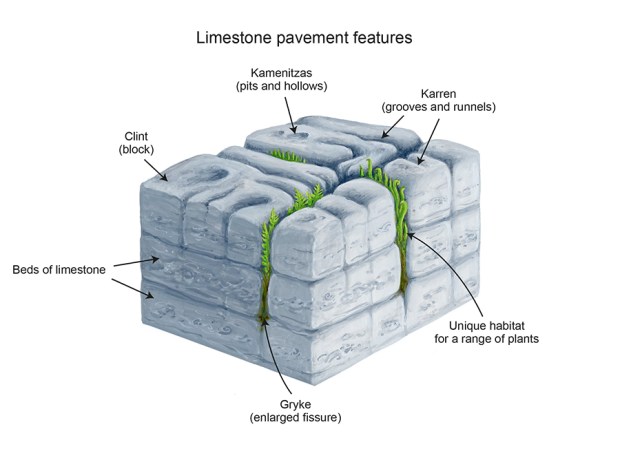
A closer look at a limestone pavement (Dales Rocks)
As you plot the fractions for x and adjust the fractions for y, the gryke graph grows like this:

The gryke graph grows (animated at ezGif)
But how were the fractions for y adjusted to create the gryke fractal? With a very simple function called contfrac_rev(a/b). The function takes what’s called the continued fraction of a/b, then reverses it to derive a new fraction (sometimes it’s new, at least). For example, here’s the continued fraction of 13/17 and how you use the continued fraction to reconstruct 13/17:
continued_fraction(13/17) = [1,3,4] = cf(13/17)
fr = 0
1/4 = 1/(fr + 4) = 1/(0 + 4)
4/13 = 1/(fr + 3) = 1/(1/4 + 3)
13/17 = 1/(fr + 1) = 1/(4/13 + 1)
13/17 = 0.764705882352941176470588…
The continued fraction, [1,3,4], is read from right to left when the original fraction is being reconstructed. So reversing the continued fraction means reading it from left to right, like this:
fr = 0
1 = 1/(fr + 1) = 1/(0 + 1)
1/4 = 1/(fr + 3) = 1/(1 + 3)
4/17 = 1/(fr + 4) = 1/(1/4 + 4)
4/17 = 0.235294117647058823529411…
(Technical note: The reversed fraction of cf_rev(a/b) is always < 1/2, except for cf_rev(1/2) = 1/2. That's why the gryke graph above actually represents 0 to 1 on the x-axis and 0 to 0.5 on the y-axis.)
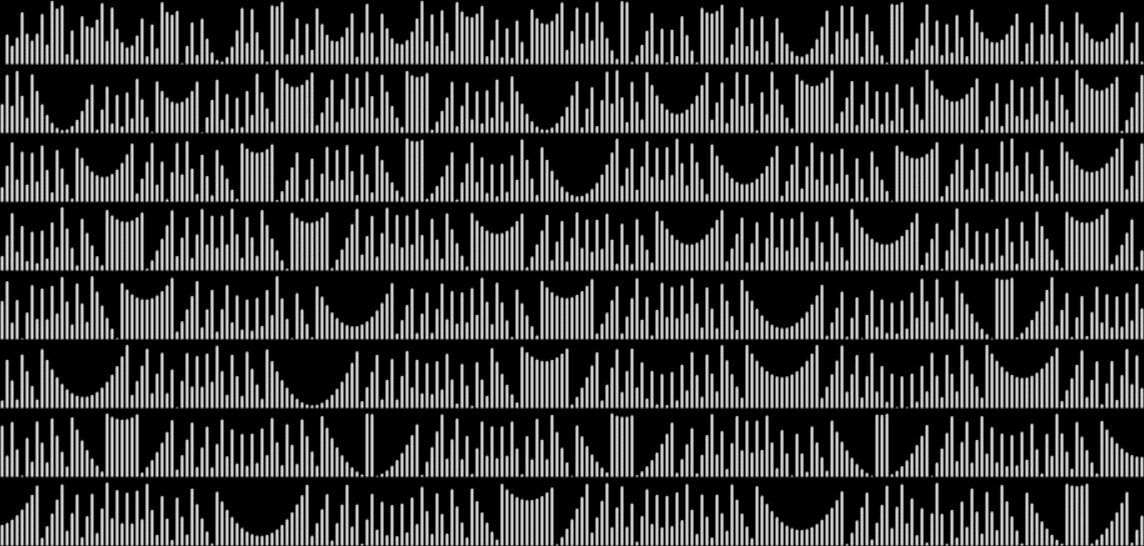
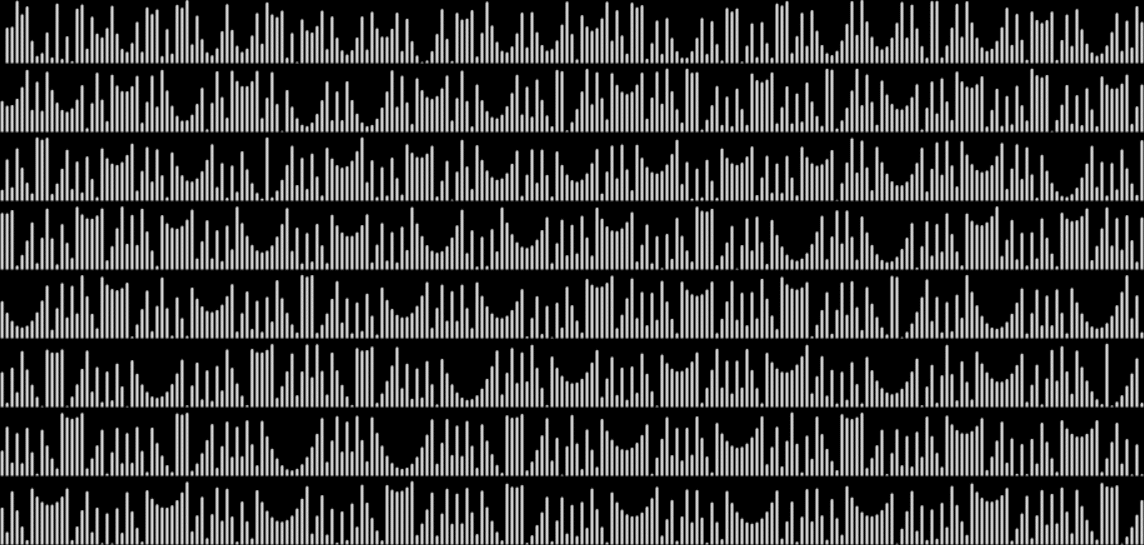
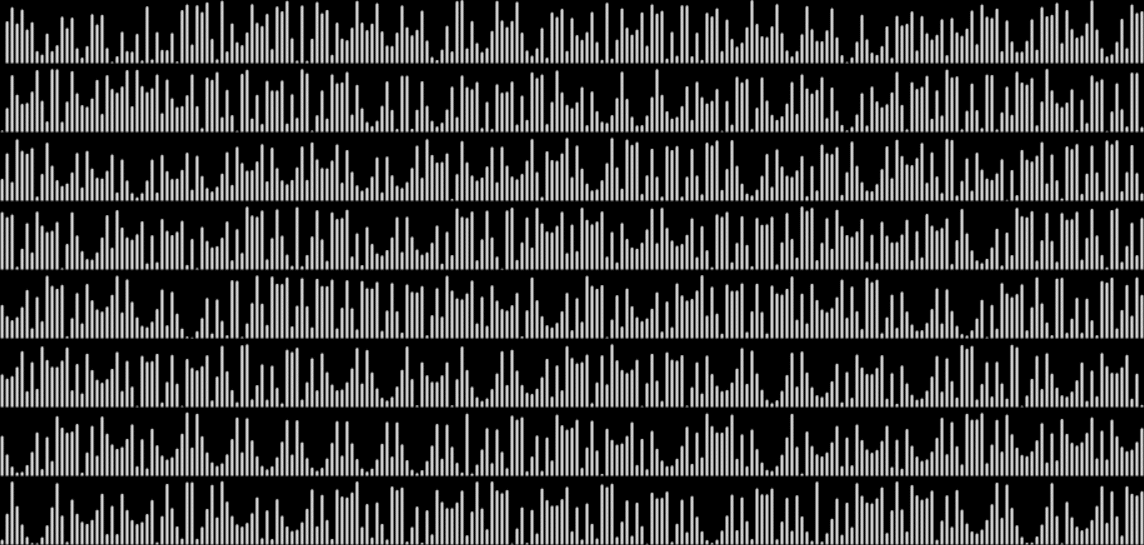
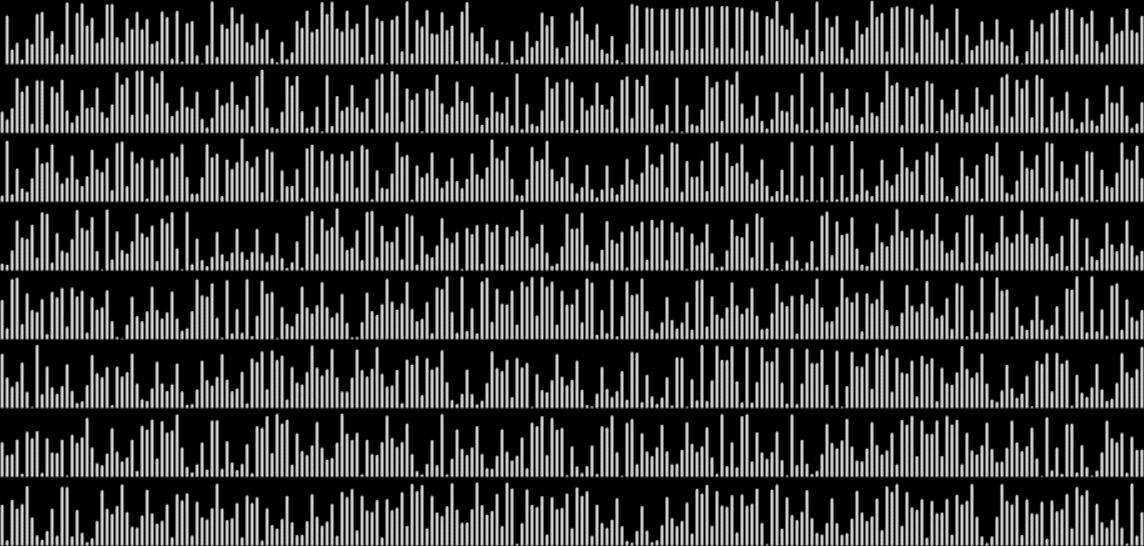
Now let's look at how the fractal in the graph can be magnified for ever and always yield new versions of the original graph. You can call it hiking the gryke, because you hike or increase the resolution of the graph to reveal the finer details. The first step is to mark the gryke site to be hiked. Here's the full graph, with a green square showing the section to be hiked or magnified or zoomed:
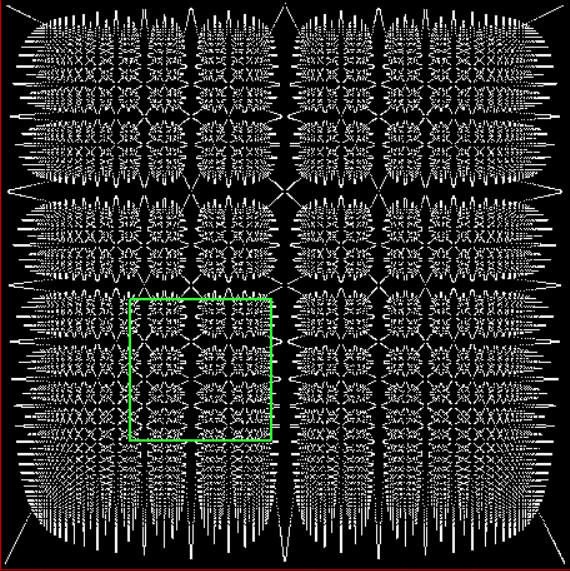
Gryke to hike
↓
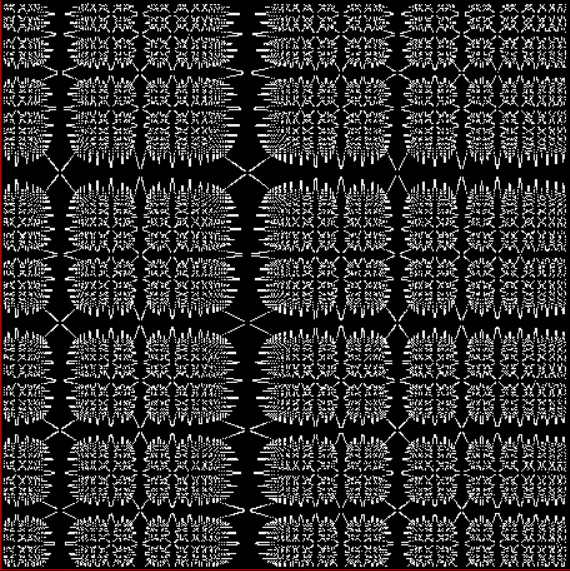
Gryke hiked
You can combine the zoom-to-be and the zoomed section in a single image, where the full fractal is on the left and the zoomed section on the right:
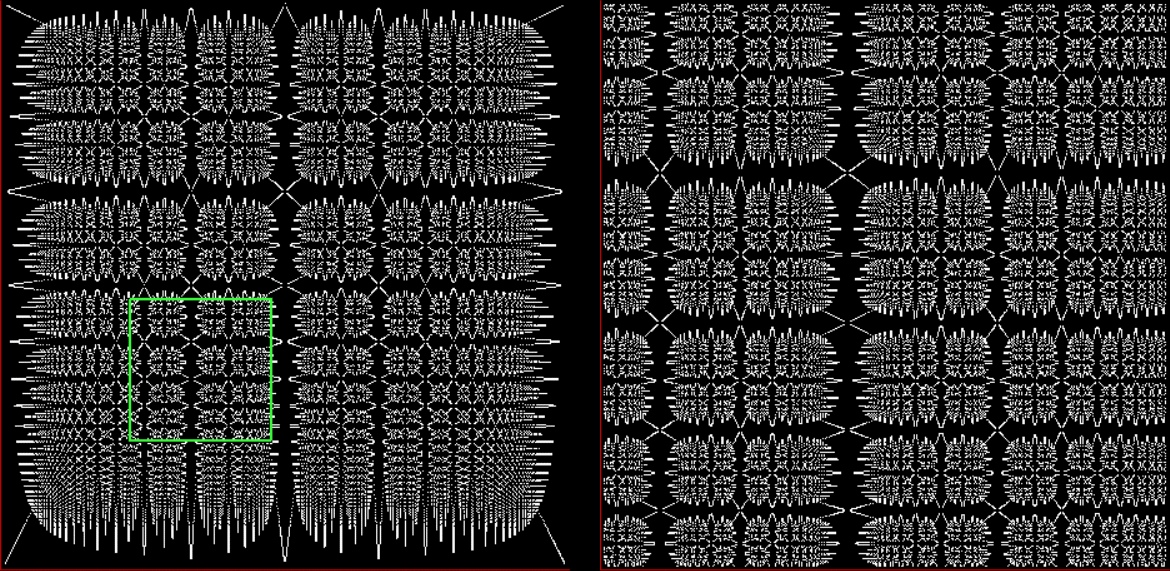
Gryke-to-hike and Gryke-hiked (click for larger)
Here are more hikes of the gryke, or zooms of the full fractal:
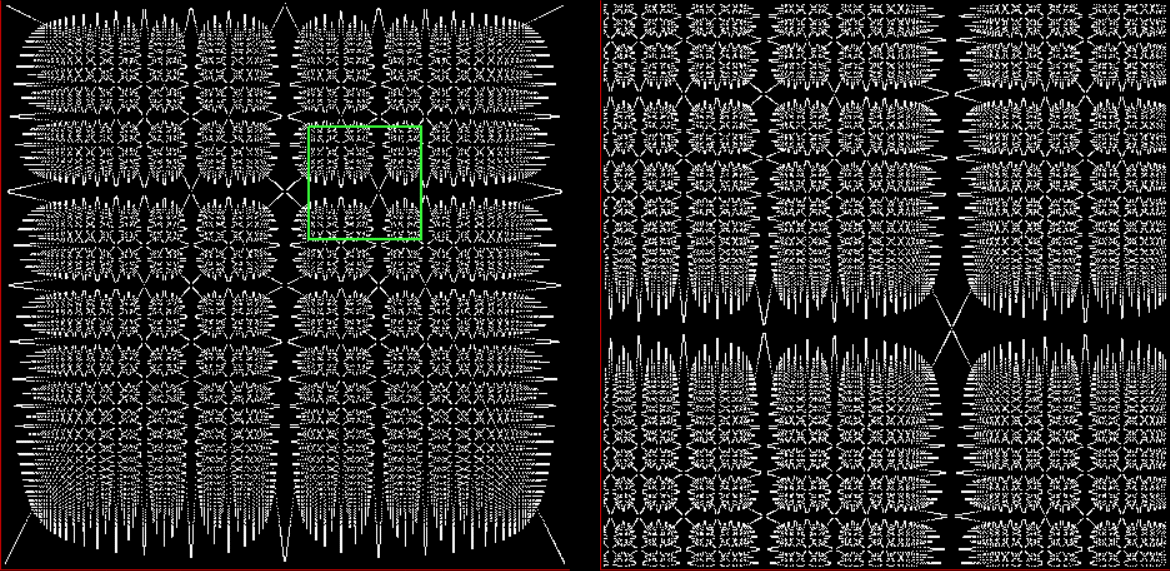
Zoom #2
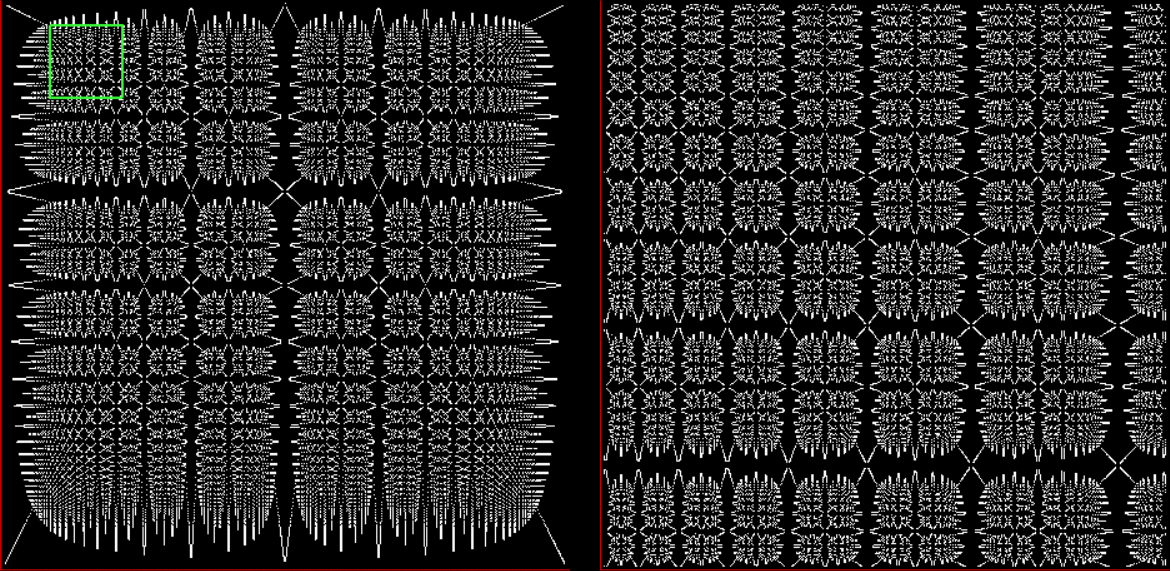
Zoom #3
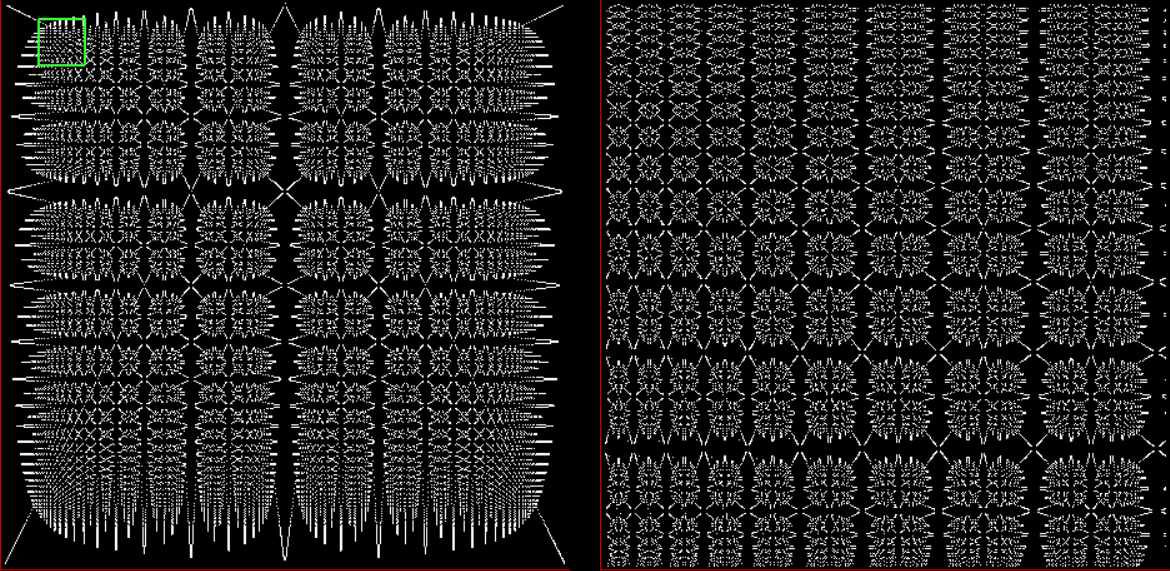
Zoom #4
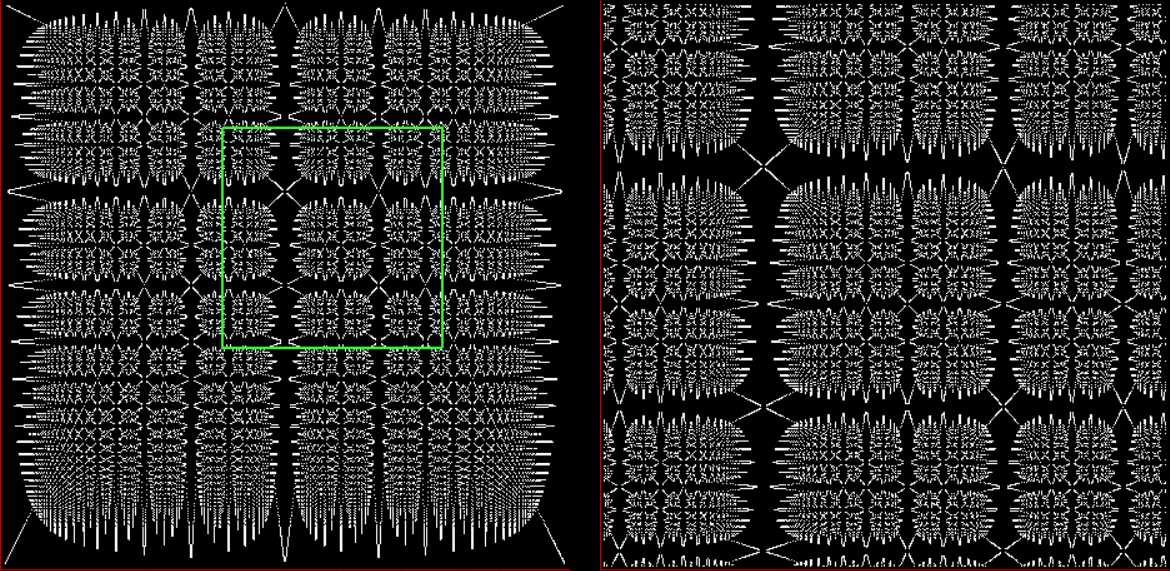
Zoom #5
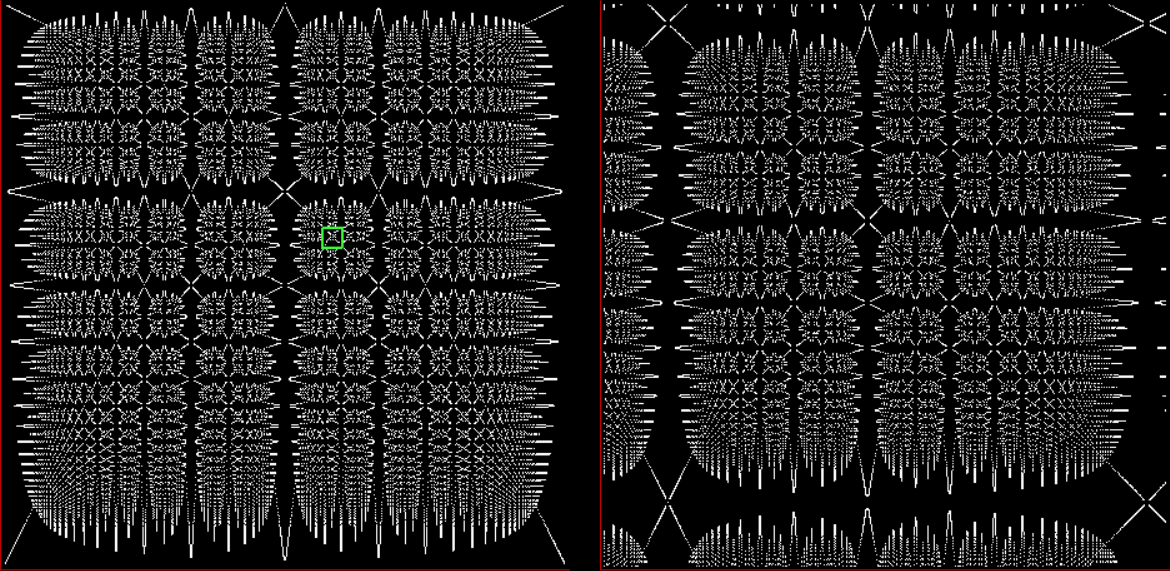
Zoom #5+1
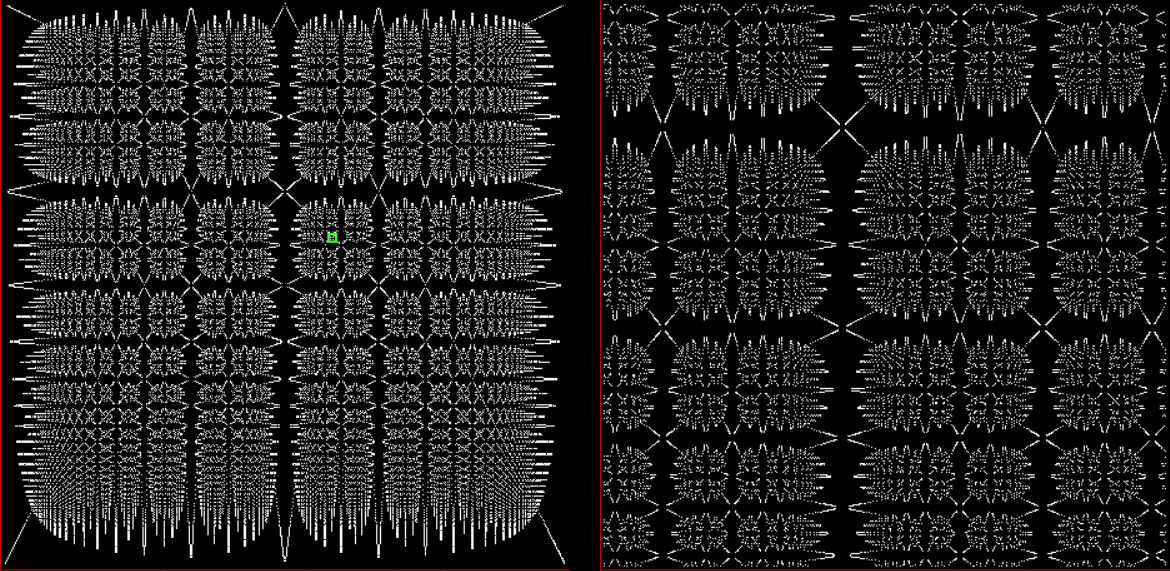
Zoom #5+2
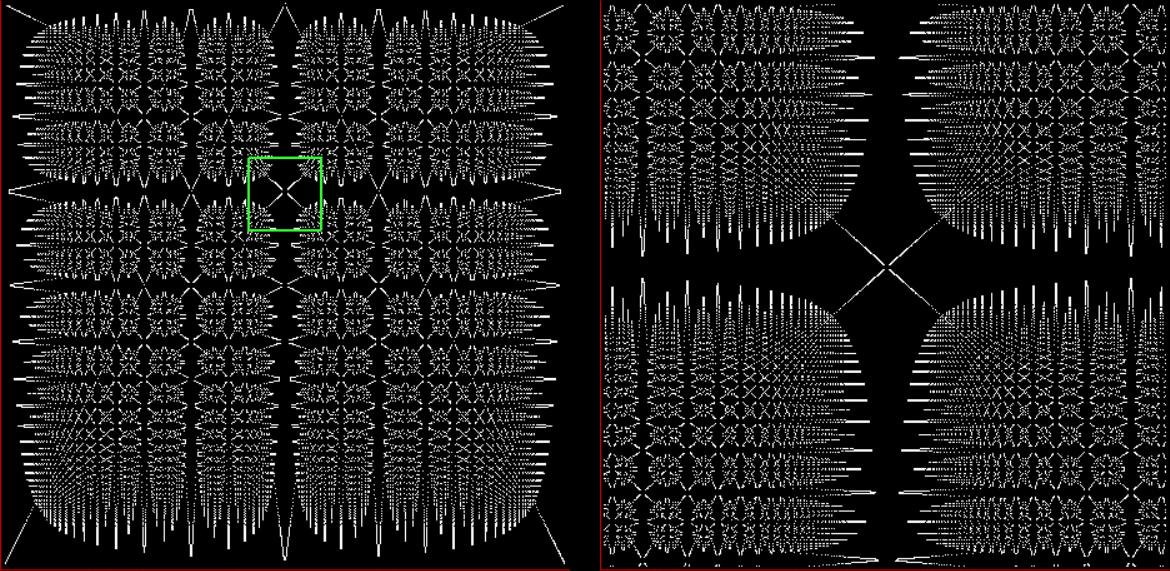
Zoom #6
And here’s an animated gryke-hike or zoom into a single section of the fractal:
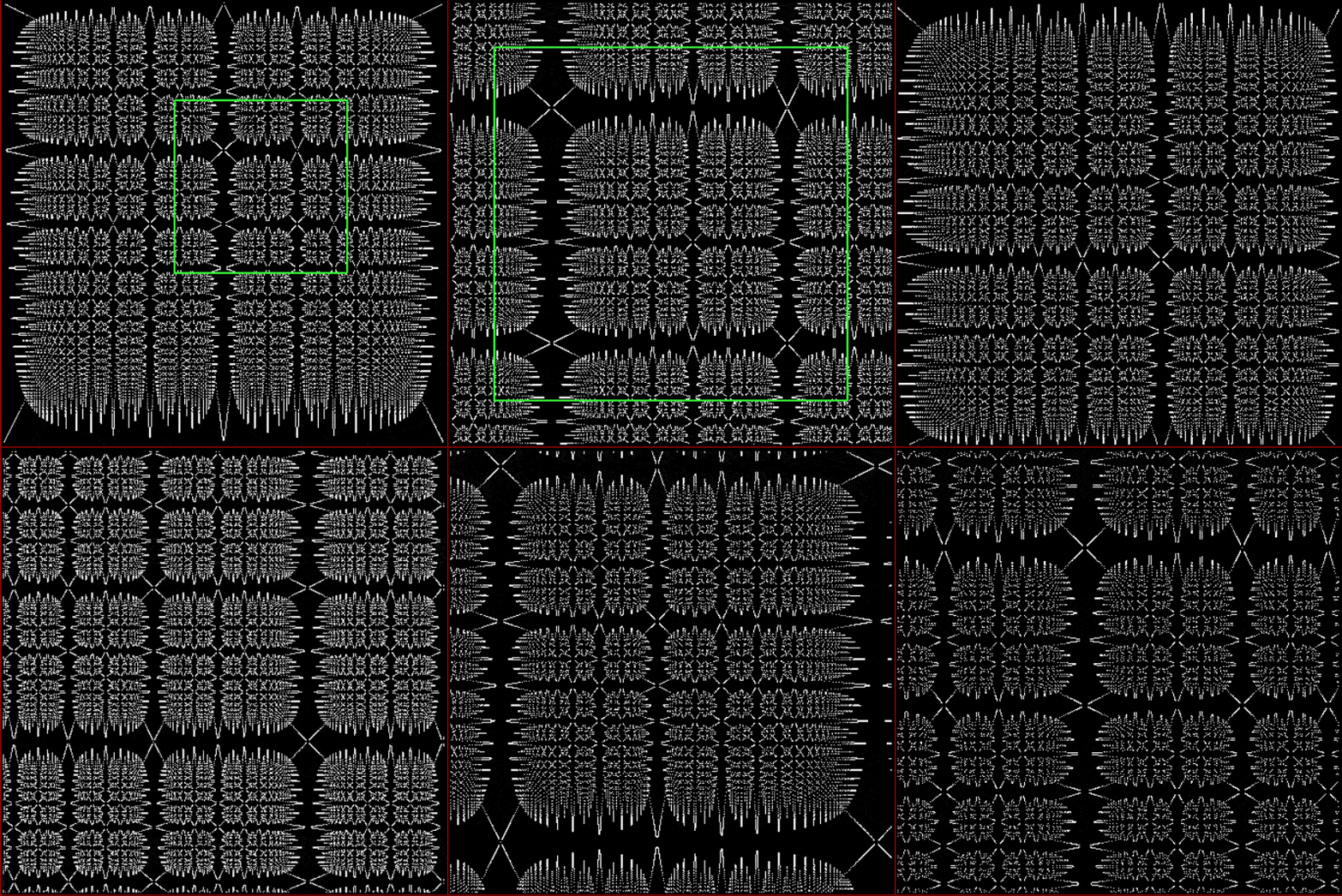
Hiking the Gryke (animated at ezGif)
Previously Pre-Posted…
• I Like Gryke — a first look at the gryke fractal
• Worms in Terms of Perms — permutating the gryke fractal